
Jobs · Training · OSHA data
Your OSHA Safety Platform for Jobs, Training and Data
Scenario-based courses written from 29 CFR 1910, 1915 and 1926. Live online classes from vetted trainers. Federal inspection records on a map. Built for workers, employers, trainers and safety consultants.
Free to start. Every course with Blue Belt for $25/month. Compare belts
Black Belt Safety in about a minuteTraining, live trainers and OSHA data
Search the full course library, or browse topics below.
- 1,3-Butadiene Safety
- Abrasive Wheel Machinery and Grinder Safety
- Accident Prevention Signs and Tags
- Acrylonitrile Safety
- Aerial Lift Safety
- Anhydrous Ammonia Storage and Handling
- Asbestos Awareness for Workers
- Asbestos Safety in General Industry
- Bakery Equipment Safety
- Benzene Awareness
- Beryllium in Construction (Abrasive Blasting)
- Beryllium Safety in General Industry
- Blaster Qualifications and General Blasting Rules
- Bloodborne Pathogens for Employees with Occupational Exposure
- Cadmium Safety in Construction
- Cadmium Safety in General Industry
- Chemical Hygiene in Laboratories
- Coke Oven Emissions Safety
- Commercial Diving in Construction: Dive Team and Dive Procedures
- Compressed Air Work in Tunnels and Caissons
- Compressed Gas Cylinder Safety
- Concrete and Masonry Construction Safety
- Confined Spaces in Construction
- Construction Safety Program Basics for Supervisors
- Construction Site Basics: Housekeeping Sanitation Illumination Noise
- Cotton Dust Safety
- Crane Assembly/Disassembly Director
- Crane Inspections and Wire Rope
- Crane Operator Training, Certification and Evaluation (Awareness)
- Crane Operator: Safety Devices, Operational Aids and Operation
- Crane Power Line Safety
- Crane Signal Person and Rigging Awareness
- DBCP (1,2-Dibromo-3-chloropropane) Safety
- Demolition Safety
- Dipping and Coating Operations (Dip Tanks)
- DOT Hazmat Employee Training Awareness
- DOT Hazmat Marking and Labeling for Shippers
- DOT Hazmat Placarding
- DOT Hazmat Shipping Papers
- Drum Hoists, Overhead Hoists and Conveyors in Construction
- Electrical Safety in Construction for Workers
- Electrical Safety-Related Work Practices for Workers
- Emergency Action and Fire Prevention Plan Administrator
- Emergency Action and Fire Prevention Plans for Employees
- Emergency Action Plans in Construction
- Ethylene Oxide (EtO) Safety
- Excavation Competent Person (Trenching and Excavation)
- Exit Routes and Evacuation for Employees
- Fall Protection for Competent Persons: Awareness (Construction)
- Fall Protection in Residential Construction
- Federal Agency Safety Programs (29 CFR 1960)
- Fire Prevention on Construction Sites
- Flammable Liquids Storage and Handling
- Forklift Operator Safety: Classroom Training
- Formaldehyde Awareness
- Grain Handling Facilities Safety
- Guarding Belts, Pulleys, Gears and Shafts
- Hand and Power Tool Safety for Workers
- Hazard Communication Basics
- Hazardous Waste Generator Basics (RCRA) for Facility Staff
- HAZWOPER Awareness: First Responder Awareness Level
- Hearing Conservation for Noise-Exposed Workers
- Hexavalent Chromium Awareness
- Hoisting Personnel with Cranes
- Inorganic Arsenic Safety
- Ladder Safety for General Industry Workers
- Lead Safety for Construction Workers
- Lead Safety in General Industry
- Loading, Firing and Misfires (Blasting Crew)
- Lockout/Tagout for Authorized Employees
- Logging Operations Safety
- LP-Gas and Temporary Heaters on Construction Sites
- Machine Guarding for Operators and Maintenance Workers
- Material and Personnel Hoists on Construction Sites
- Material Storage and Waste Disposal on Construction Sites
- Mechanical Power Press Safety
- Methylene Chloride Safety (Paint and Coating Removal)
- Mine Safety New Miner Awareness (Part 46)
- Motor Vehicles and Earthmoving Equipment on Construction Sites
- Nail Gun and Powder-Actuated Tool Safety
- Noise and Hearing Loss in Construction
- Oil Spill Prevention (SPCC) Awareness
- OSHA Fire Extinguisher Training (29 CFR 1910.157)
- OSHA Injury and Illness Recordkeeper
- OSHA Inspections and Your Walkaround Rights
- Overhead and Gantry Crane Safety (General Industry)
- Permit-Required Confined Space Attendant (General Industry)
- Permit-Required Confined Space Entrant (General Industry)
- Permit-Required Confined Space Entry Supervisor (General Industry)
- Personal Protective Equipment Basics for Workers Who Wear PPE
- Personal Protective Equipment in Construction for Workers
- Pile Driving and Site Clearing Safety
- Portable Ladder Safety for Construction Workers
- Power Line Work: Grounding and Protective Equipment
- Power Line Work: Job Briefings and De-energizing Lines
- Preventing Backovers for Operators and Spotters
- Process Safety Management Awareness
- Reporting Severe Injuries to OSHA: Supervisor and Safety Coordinator
- Respirable Crystalline Silica for Construction Workers
- Respirable Crystalline Silica for General Industry Workers
- Respiratory Protection for Respirator Wearers
- Rigging Equipment for Material Handling (Construction)
- Rollover Protective Structures (ROPS) and Overhead Protection
- Scaffold Competent Person (Construction)
- Scaffold Erector and Dismantler (Construction)
- Scaffold Safety for Workers Who Use Scaffolds
- Shipyard Confined and Enclosed Spaces
- Shipyard Welding, Cutting and Heating
- Slings in General Industry
- Spray Finishing with Flammable and Combustible Materials
- Stairways in Construction
- Steel Erection Safety for Ironworkers
- Struck-By Hazards: Vehicles and Equipment for Construction Workers
- Telecommunications Work Safety
- Transporting and Storing Explosives on Construction Sites
- Trenching and Excavation Safety for Workers (Caught-In/Between)
- Underground Construction, Shafts and Tunnels
- Universal Waste Management for Facility Staff
- Ventilation and Abrasive Blasting in Construction
- Walking-Working Surfaces and Fall Hazards for General Industry Workers
- Welding Cutting and Heating in Confined Spaces
- Welding, Cutting and Hot Work: Welder and Cutter
- Woodworking Machinery Safety
- Worker Rights and Whistleblower Protection (OSH Act Section 11(c))
- Working Over or Near Water
- Workplace First Aid Requirements for Supervisors
No matching courses. Try a shorter topic or a standard number, such as “fall” or “1910”.
Your Black Belt Safety path
Find your starting point, choose your specialty, and build toward your next role.
- White BeltNew roles
- Blue BeltPick a specialty and take training
- Purple BeltConsultant
- Brown BeltTrainer
- Black BeltContracting business
- Coral / Red BeltVIP access and coaching


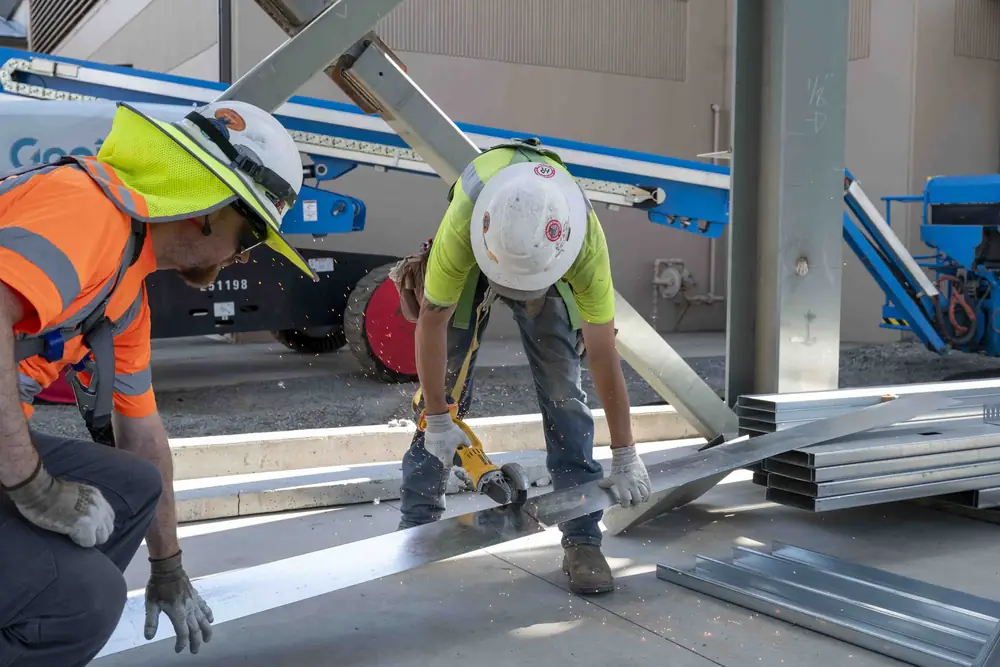
For workers and job seekers
Online OSHA safety training for workers on the path to Competent Person
- Free Black Belt Safety Orientation with completion certificate
- Preview the first 50% of safety courses
- Limited OSHA company inspection and fine lookups
- Safety job board access
- Selected free toolbox talks and training reminders
Ready to finish your training? Upgrade to Blue Belt for $25/month for full course access and certificates when you pass.
For employers and crews
One place for your crew's training and the records to prove it.
Team seats in The Dojo, a completion record for every worker, and live classes booked online.
For trainers
Teach through Black Belt and keep most of the fee.
Free to join. Keep 90% of what your own clients pay and 60% on students we send you.

For safety consultants
Find the companies that need you, before the next citation.
Federal OSHA inspection records by state, ZIP, industry and penalty, a prospect tracker and a directory listing.
SEE THE TRAINING BEFORE YOU JOIN
Try a lesson. See what you earn.
Read an excerpt from Hazard Communication Basics and see how a completion certificate works. No account needed for these samples.
Try a sample lesson
HAZARD COMMUNICATION BASICS · COURSE 101
Four parts that work together
HazCom works like a relay. Chemical manufacturers and importers evaluate the hazards first. That information travels with the product, and your employer passes it to you.
OSHA aligned the standard with the United Nations' Globally Harmonized System (GHS) in 2012 and updated it again in 2024, so labels and data sheets look much the same around the world.
From the current course. Sources: 29 CFR 1910.1200(a)(1); 29 CFR 1910.1200(b)(1); 77 FR 17785 (Mar. 26, 2012); 89 FR 44356 (May 20, 2024).
See a sample certificate
BLACK BELT SAFETY · COURSE 101
Certificate of Completion
This certifies that
Your Namecompleted awareness training in
Hazard Communication Basics- Completion date
- Shown on your issued certificate
- Verification code
- SAMPLE — not a valid code
Demonstration only. No completion, training credit or verification record is created by viewing this sample.
After you pass a course, your issued certificate includes your name, course, completion date and a code an employer can check.
See how certificate verification works →
Awareness training completion is not an OSHA Outreach card, professional license or competent-person designation. Your employer remains responsible for site-specific training.
Belt ranks
Start free. Earn your belt.
Every plan is a belt in The Dojo, our OSHA Safety Training Academy. Start as a White Belt, train on every course from Blue Belt up, and move up when you need OSHA data, coaching or your own trainer storefront. Cancel anytime from your account.
- Free Black Belt Safety Orientation with completion certificate
- Preview the first 50% of safety courses
- Limited OSHA company inspection and fine lookups
- Safety job board access
- Selected free toolbox talks and training reminders
- Every Black Belt Safety course
- Certificates, training records and CSV export
- Scenario videos as they are released
- All platform tools for independent use
- Everything in Purple and Brown Belt: OSHA data, your trainer storefront
- Unlimited prospects and branded snapshot reports
- Federal safety bids and awards board, consultant directory listing
- Personalized walkthroughs of the platform tools
- One private 45-minute coaching session every two weeks on Meet, Zoom or Teams
- One live group masterclass each month
- Choose your focus: getting hired, finding clients or government contracting
- Everything in Black Belt included
Teams: seat-based plans with records and live classes, see team options. Trainers: how the pay split works. Purple Belt (the Dojo + OSHA data), Brown Belt (your own trainer storefront), Coral / Red Belt (VIP access, expert tool walkthroughs and private coaching every two weeks) and every price: compare all belts.
Training by topic
Every course is built from the standard it teaches.
The rule is quoted on the page, a knowledge check follows every section, and a certificate waits at the end. Ten to thirty minutes each, phone friendly.
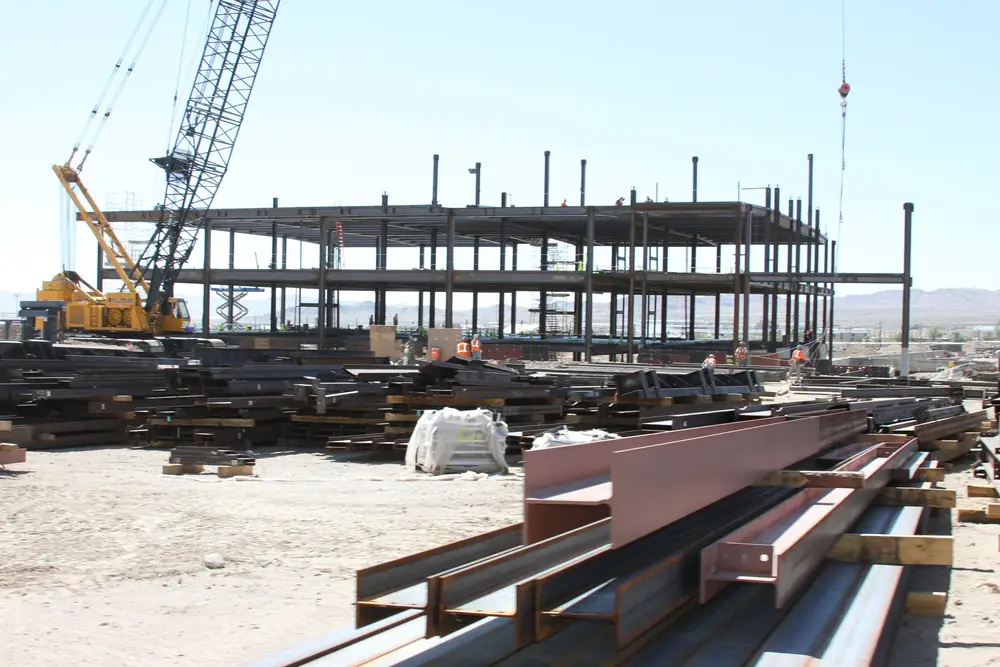 Fall Protection & Working at Heights
Guardrails, harnesses, ladders, scaffolds, aerial lifts, stairways and walking-working surfaces.
Browse →
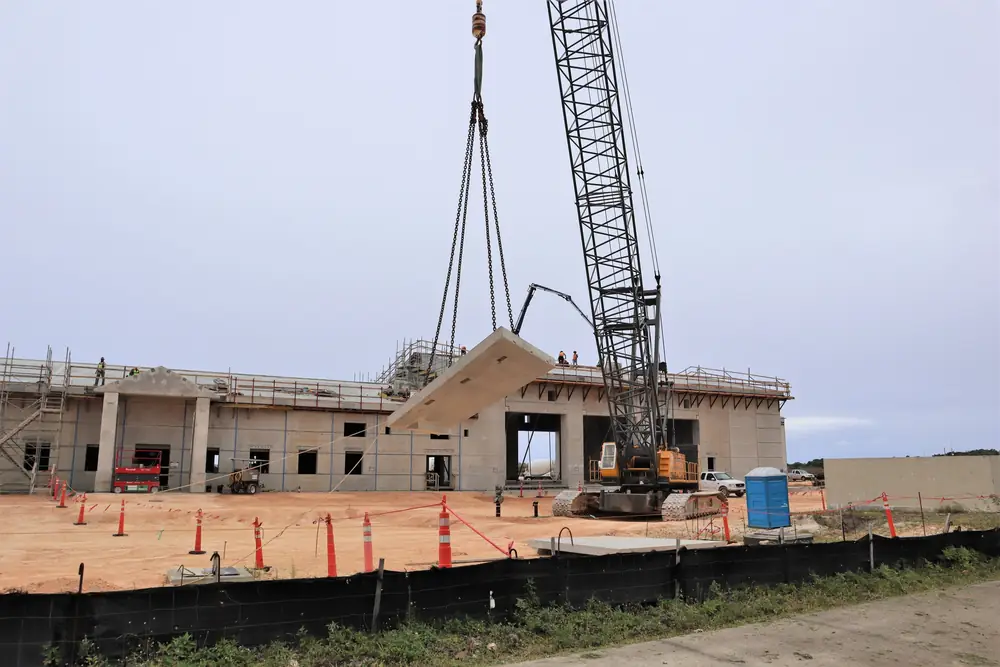 Cranes, Rigging & Material Handling
Cranes and derricks, hoists, rigging, slings, forklifts and material storage.
Browse →
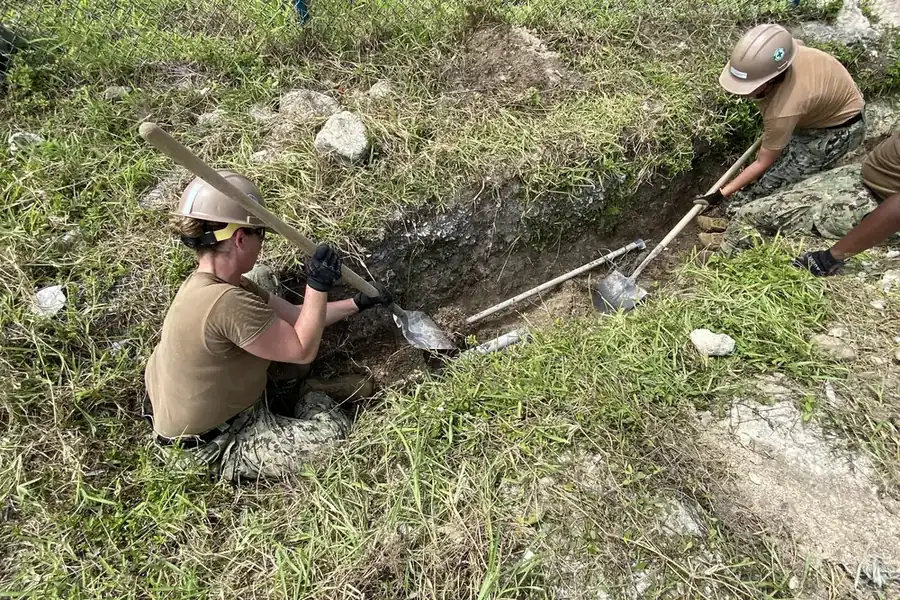 Confined Spaces & Excavation
Permit spaces, attendants and entry supervisors, trenching, shafts and tunnels.
Browse →
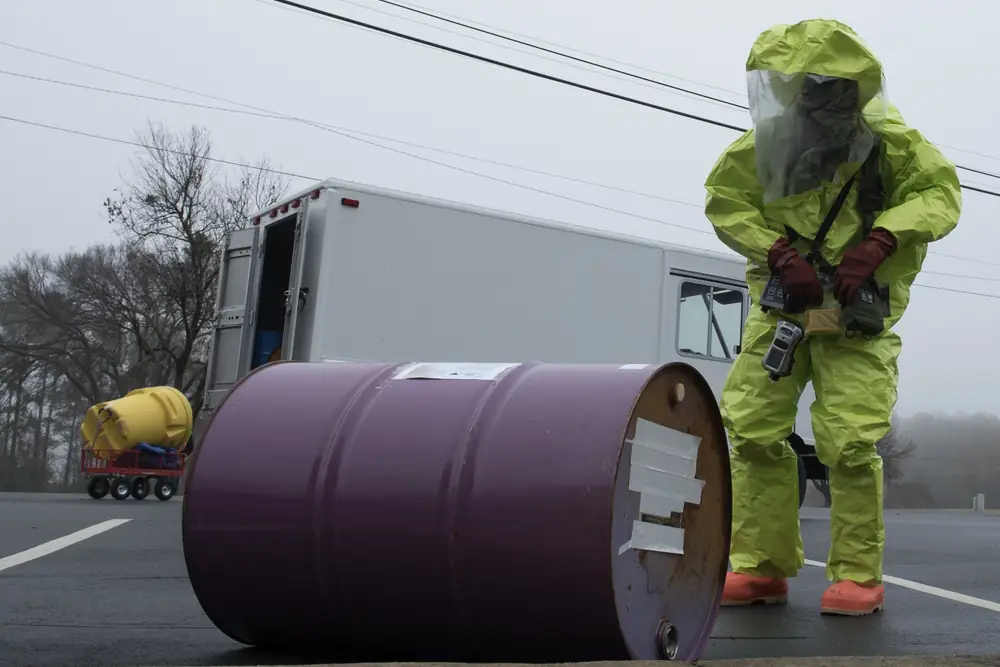 Hazardous Materials & Chemicals
HazCom, HAZWOPER, DOT hazmat, flammables, compressed gases, process safety, explosives and waste.
Browse →
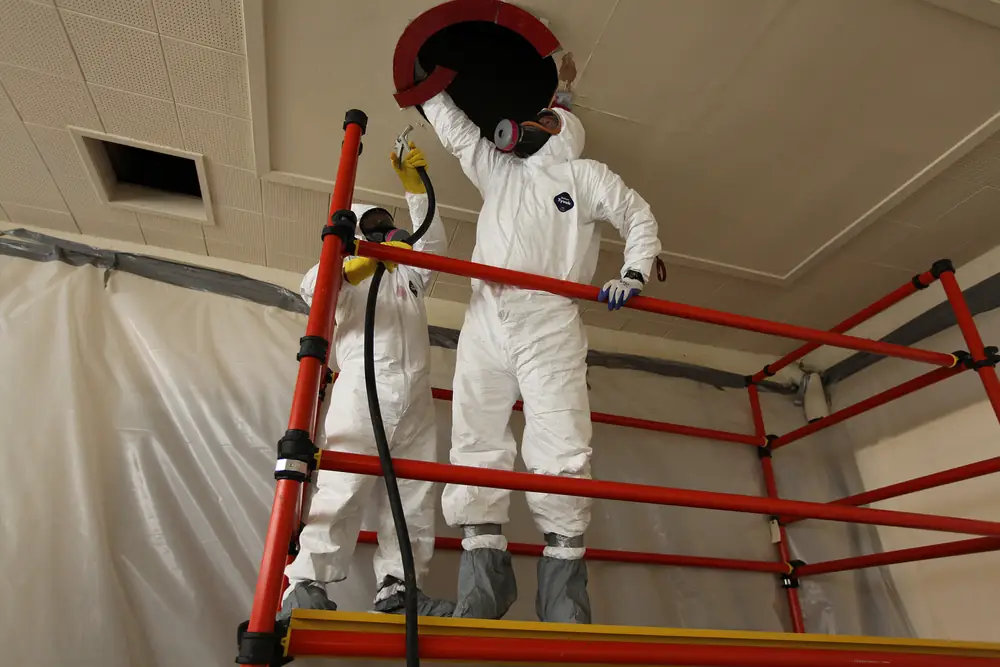 Toxic Substances & Health Hazards
Asbestos, lead, silica, beryllium, cadmium, chromium, solvents, bloodborne pathogens and noise.
Browse →
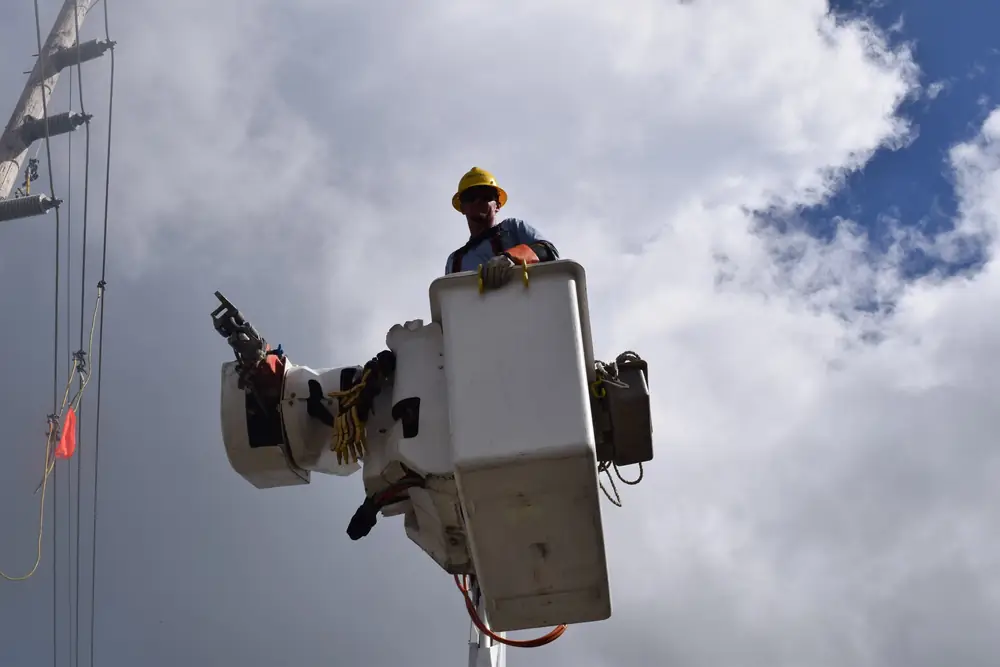 Electrical, Machinery & Tools
Electrical work practices, lockout/tagout, machine guarding, power presses, hand and power tools, welding and hot work.
Browse →
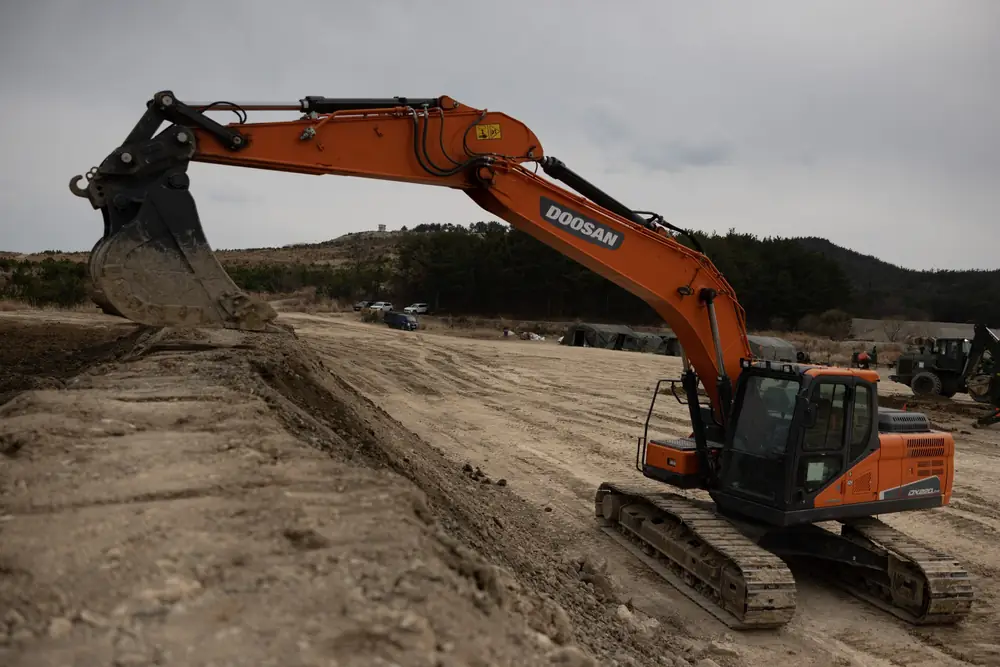 Vehicles & Heavy Equipment
Motor vehicles, earthmoving equipment, backovers, struck-by hazards, rollover protection and pile driving.
Browse →
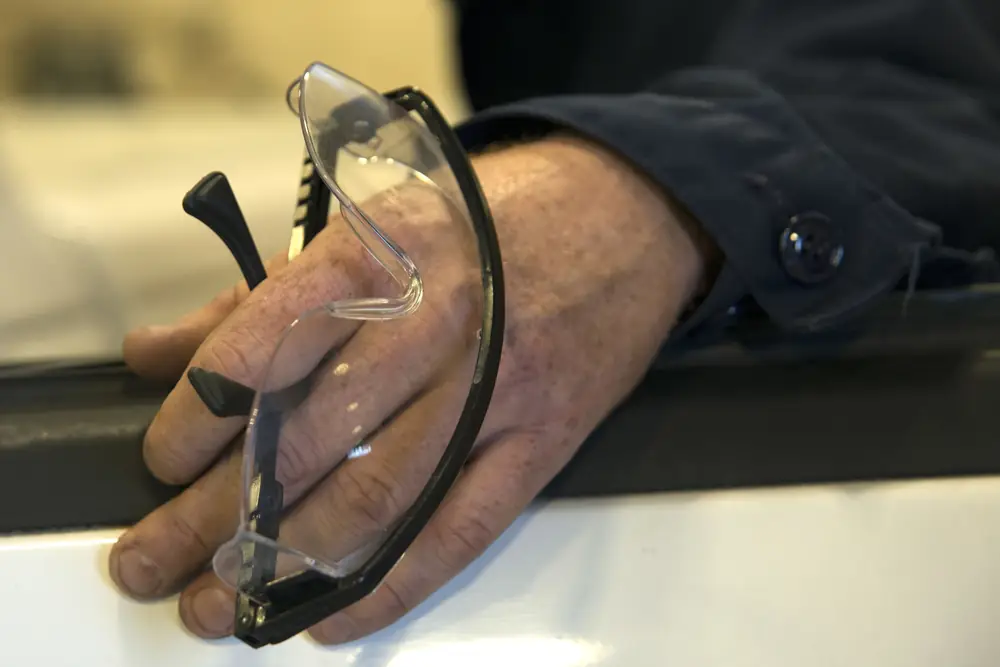 PPE, First Aid & Emergency Plans
Personal protective equipment, respirators, first aid, exit routes, fire prevention and emergency action plans.
Browse →
 Construction Operations
Concrete and masonry, demolition, steel erection, site basics, underground work and diving.
Browse →
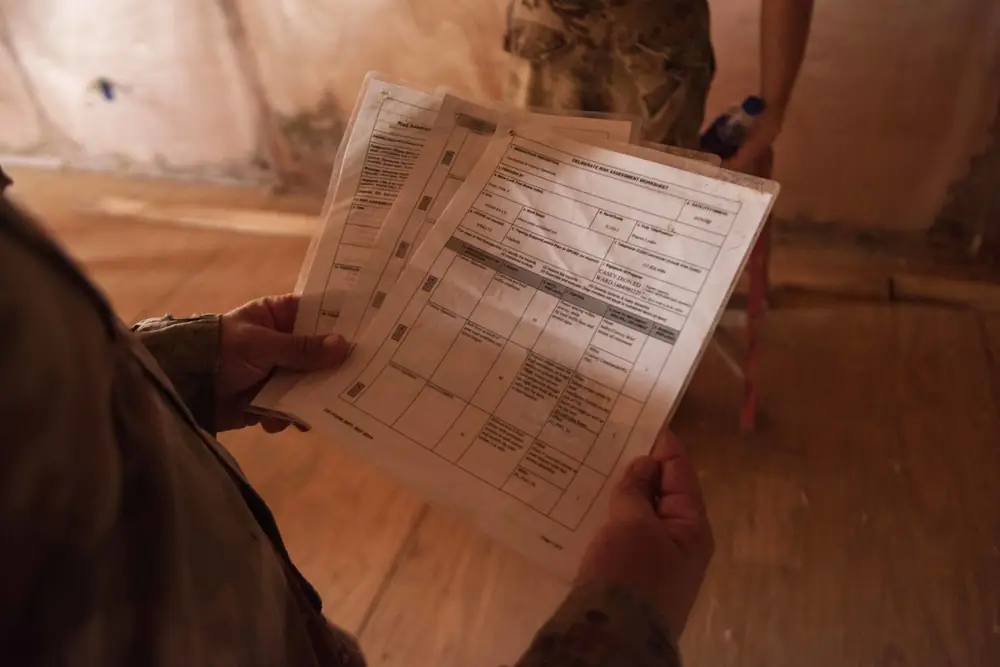 OSHA Compliance & Worker Rights
Recordkeeping, severe injury reporting, inspections, walkaround rights and whistleblower protection.
Browse →
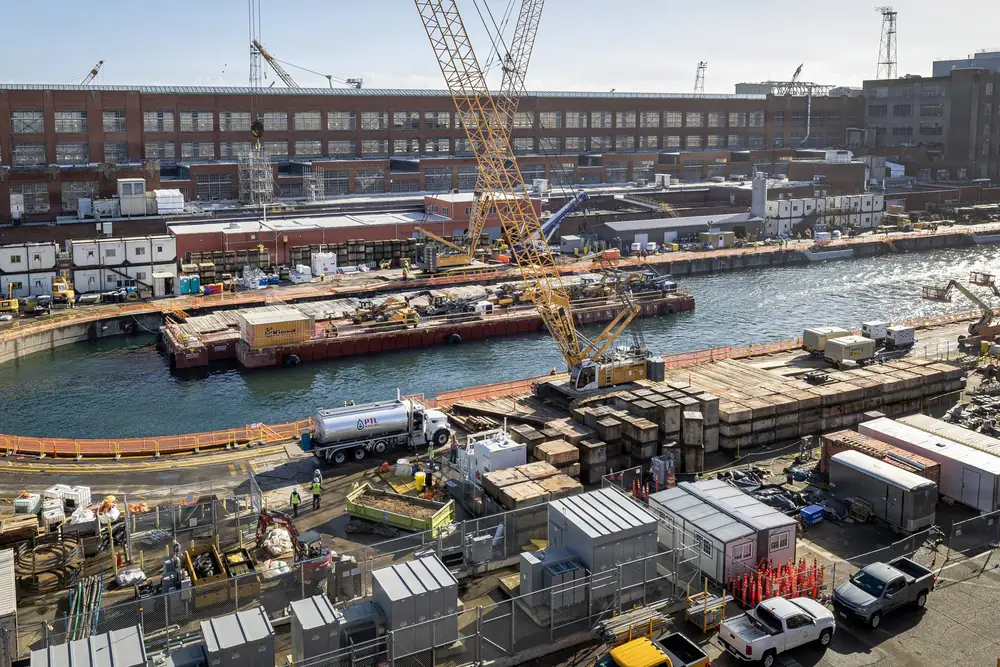 Specialized Industries
Logging, mining, telecommunications, grain handling, shipyards, laboratories and agriculture.
Browse →
How a course works
Read, decide, pass, prove it.
OSHA data
See who got inspected, for what, and where.
Federal OSHA inspection and violation records, copied nightly from the U.S. Department of Labor and searchable by company, state, ZIP, industry, standard and penalty. The map and the trends are free.
- Employers: see what inspectors cite in your industry and state before they visit you
- Consultants and trainers: build a prospect list of recently cited companies near you
- Purple Belt: unlimited search, company names, enhanced views, 5 report downloads a month
Straight answers
What does a Black Belt Safety certificate show?
Can my employer check my certificate?
Do I have to pay to start?
How do live classes work?
Can I cancel?
Is Black Belt Safety part of OSHA?
Train your crew before the next ordinary day.
Black Belt Safety: what we do · 1:13 · training, live trainers and OSHA data for workers, employers, trainers and consultants